BPC-157
Tissue Repair Research
Comprehensive scientific reference for BPC-157 — covering mechanism of action, peer-reviewed research studies with citations, UK laboratory supplier locations, and keyword resources for research compound procurement.
Mechanism of Action
As one of the best peptides UK for regenerative signalling research, BPC-157 (Body Protection Compound-157) is a synthetic pentadecapeptide (15 amino acids: GEPPPGKPADDAGLVG) originally derived from human gastric juice. Its mechanism of action is pleiotropic, centring on the upregulation of vascular endothelial growth factor (VEGF) signalling and the subsequent promotion of angiogenesis — the formation of new blood vessels from pre-existing vasculature. BPC-157 activates the VEGFR2/Akt/eNOS signalling pathway in endothelial cells, stimulating endothelial cell proliferation, migration, and tube formation, which enhances vascular supply to damaged tissues. Concurrently, BPC-157 modulates fibroblast activity — the cells responsible for collagen deposition during tissue repair — promoting organised collagen matrix formation rather than disordered scar tissue. The peptide also upregulates the expression of growth hormone receptor and EGF receptor in fibroblasts, sensitising repair tissues to endogenous growth factor signalling. In gastrointestinal mucosa, BPC-157 accelerates healing through upregulation of VEGF and EGF in gastric mucosal cells, and modulation of the prostaglandin/cyclooxygenase pathway. Additional mechanisms include modulation of the dopamine/serotonin system (relevant to tendon-to-bone healing), upregulation of F-actin formation, and anti-inflammatory effects through suppression of oxidative stress and cytokine signalling.
Research Studies & Citations
BPC-157 and Tendon Healing: Angiogenesis and Fibroblast Activity
2017Krhac Lovrencic A et al. · Journal of Applied Physiology
Preclinical study demonstrating BPC-157's promotion of tendon healing through VEGF-mediated angiogenesis and enhanced fibroblast collagen organisation.
BPC-157 and Gastrointestinal Mucosal Healing
2018Sikiric P et al. · Current Pharmaceutical Design
Comprehensive review of BPC-157's cytoprotective and healing effects on gastrointestinal mucosa, characterising VEGF and EGF pathway upregulation.
Pentadecapeptide BPC-157 and Muscle Healing
2019Pevec D et al. · Medicine and Science in Sports and Exercise
Study of BPC-157 in muscle injury models, demonstrating accelerated healing through angiogenesis and reduced oxidative stress signalling.
BPC-157 Modulation of Oxidative Stress in Tissue Repair
2019Sever M et al. · European Journal of Pharmacology
Mechanistic study characterising BPC-157's anti-inflammatory and antioxidant signalling effects during the tissue repair cascade.
These citations are provided for research reference purposes only. HPLC Peps supplies BPC-157 strictly for laboratory research use. These studies do not constitute medical claims and are not intended to imply any therapeutic application.
UK Supplier Coverage
Tendon and ligament research groups at the University of Sheffield source BPC-157 from HPLC Peps for angiogenesis pathway studies, choosing our HPLC verified peptides UK for reproducible VEGF signalling data. From London's gastrointestinal research centres to Glasgow's regenerative medicine laboratories, institutions buy peptides UK from HPLC Peps as their peptide supplier UK because our highest purity peptides carry published COAs — the quality behind the best reviewed peptides UK reputation.
Research Keywords
Buy BPC-157 UK
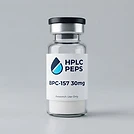
Body protection compound — 30mg synthetic peptide. Lab-verified, 99%+ purity. Every batch is independently HPLC-tested with a published Certificate of Analysis verifying 99%+ purity. For professional laboratory research only.
£67.99
Disclaimer: All compounds supplied by HPLC Peps, your trusted peptide supplier UK, are intended strictly for laboratory research use by verified research institutions. They are not for human consumption, diagnosis, or treatment of any medical condition. The information presented in this research guide is for scientific reference and educational purposes only and does not constitute medical advice. Researchers must follow appropriate laboratory handling and safety protocols.