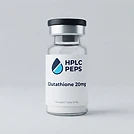
Glutathione (GSH)
Growth Hormone Research
Comprehensive scientific reference for Glutathione (GSH) — covering mechanism of action, peer-reviewed research studies with citations, UK laboratory supplier locations, and keyword resources for research compound procurement.
Mechanism of Action
Glutathione (GSH, L-gamma-Glutamyl-L-cysteinyl-glycine) is a tripeptide composed of glutamic acid, cysteine, and glycine, and is the most abundant intracellular low-molecular-weight antioxidant in biological systems. Its mechanism centres on its role as the master cellular redox buffer and electron donor in antioxidant enzyme systems. Glutathione exists in reduced (GSH) and oxidised (GSSG) forms; the GSH/GSSG ratio is a critical determinant of cellular redox status. GSH functions as a substrate for two major antioxidant enzyme systems: (1) Glutathione peroxidase (GPx) — GSH serves as the electron donor for GPx-catalysed reduction of hydrogen peroxide (H2O2) and lipid hydroperoxides to water and lipid alcohols, respectively, with GSH being oxidised to GSSG in the process. (2) Glutathione S-transferase (GST) — GSH conjugates with electrophilic substrates (xenobiotics, metabolic byproducts) via GST-catalysed reactions, forming water-soluble conjugates for cellular export and detoxification. Beyond enzymatic antioxidant activity, GSH directly scavenges reactive oxygen and nitrogen species through non-enzymatic reactions, regenerates other antioxidants (vitamins C and E) from their oxidised forms, and participates in protein S-glutathionylation — a post-translational modification that regulates protein function in redox signalling.
Research Studies & Citations
Glutathione: The Master Antioxidant
2004Wu G et al. · Nutrition Research Reviews
Comprehensive review of glutathione's role as the primary intracellular antioxidant, covering GPx and GST enzyme systems and redox signalling.
Glutathione in Oxidative Stress and Cellular Detoxification
2009Forman HJ et al. · Molecular Aspects of Medicine
Review of glutathione's detoxification mechanisms and its role in cellular redox homeostasis.
Protein S-Glutathionylation and Redox Signalling
2010Shelton MD et al. · Antioxidants & Redox Signaling
Study of glutathione-mediated protein S-glutathionylation as a regulatory post-translational modification in redox signalling.
These citations are provided for research reference purposes only. HPLC Peps supplies Glutathione (GSH) strictly for laboratory research use. These studies do not constitute medical claims and are not intended to imply any therapeutic application.
UK Supplier Coverage
Redox biology and antioxidant signalling research at the University of Oxford and the University of Cambridge source glutathione from HPLC Peps for GPx/GST enzyme studies, choosing HPLC verified peptides UK for reproducible redox ratio measurement data. From Bristol's oxidative stress research groups to Edinburgh's detoxification biology laboratories, researchers buy peptides UK from HPLC Peps as their peptide supplier UK because our highest purity peptides carry published COAs confirming 99%+ purity.
Research Keywords
Buy Glutathione (GSH) UK
Master antioxidant tripeptide — 20mg lyophilised research compound. Lab-verified, 99%+ purity. Best UK peptides. Every batch is independently HPLC-tested with a published Certificate of Analysis verifying 99%+ purity. For professional laboratory research only.
Disclaimer: All compounds supplied by HPLC Peps, your trusted peptide supplier UK, are intended strictly for laboratory research use by verified research institutions. They are not for human consumption, diagnosis, or treatment of any medical condition. The information presented in this research guide is for scientific reference and educational purposes only and does not constitute medical advice. Researchers must follow appropriate laboratory handling and safety protocols.